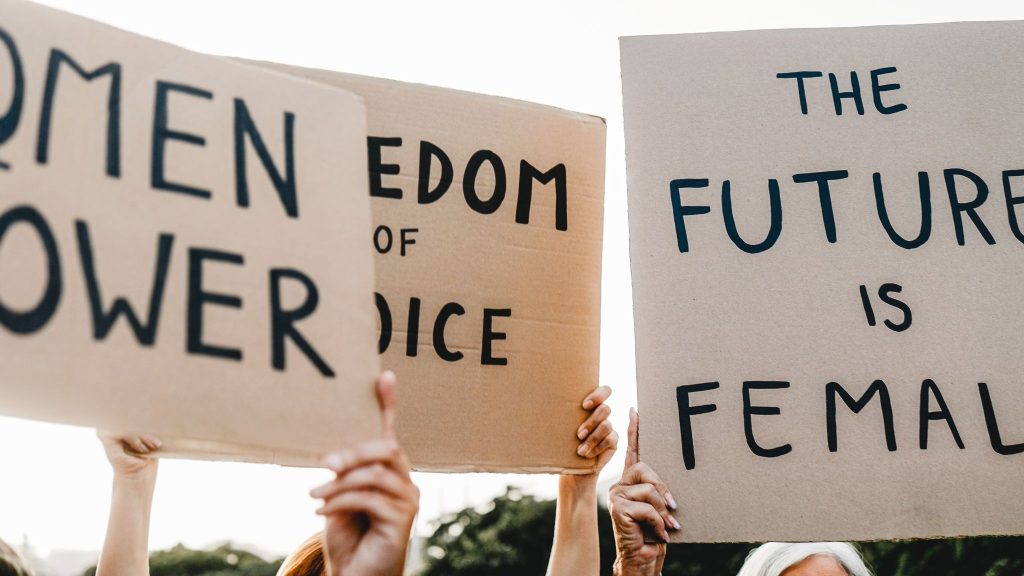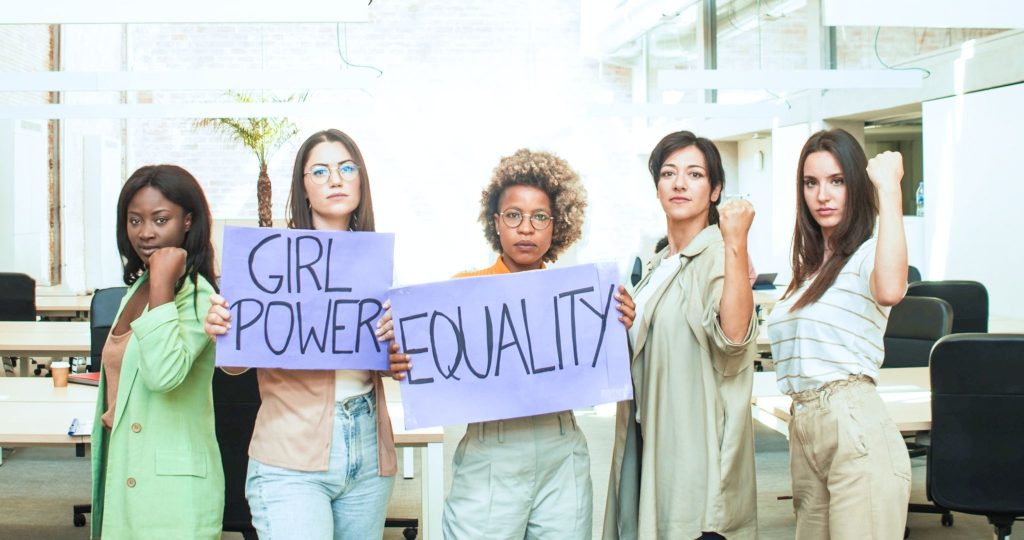

Women’s empowerment is no longer just a social ideal. It is a measurable force that shapes economies, communities, and future generations. Across the world, women’s empowerment programs are helping millions of women gain access to education, financial independence, leadership opportunities, and social equality. The effectiveness of these programs lies not only in their reach but in their ability to create long-term change. When women are empowered, families become stronger, communities grow more resilient, and societies move closer to equality. Understanding which programs work best and why offers valuable insight into building a more inclusive world.
What Defines an Effective Empowerment Program
Beyond Awareness: Creating Real Impact
Effective women’s empowerment programs go beyond awareness campaigns. They focus on tangible outcomes such as employment, education, healthcare access, and leadership representation. Programs that integrate practical tools with emotional support tend to create lasting transformation rather than temporary change.
Sustainability and Scalability
A truly impactful program is sustainable. It continues to benefit communities even after initial funding or intervention ends. Scalability ensures that successful models can be replicated across regions, expanding their reach without losing effectiveness.
Education-Based Empowerment Initiatives
Access to Quality Education
Education remains one of the strongest drivers of empowerment. Programs that provide girls with access to schools, scholarships, and mentorship opportunities break cycles of poverty and inequality. Educated women are more likely to participate in decision-making processes and contribute economically to their communities.
Skill Development and Vocational Training
Technical training programs equip women with employable skills
Digital literacy initiatives open doors to global opportunities
Language and communication training enhance confidence and mobility
These programs create independence by enabling women to earn and grow professionally.
Economic Empowerment Programs
Microfinance and Financial Inclusion
Access to financial resources is critical. Microfinance programs provide small loans to women entrepreneurs, allowing them to start or expand businesses. These initiatives empower women to generate income, support their families, and contribute to local economies.
Entrepreneurship Support Systems
Programs that offer mentorship, networking, and funding opportunities help women scale their businesses. They also foster innovation and leadership within communities.
Health and Well-Being Initiatives
Reproductive and Maternal Health Programs
Healthcare-focused programs ensure that women have access to essential services. This includes maternal care, reproductive health education, and mental health support. Healthy women are better equipped to pursue education and economic opportunities.
Mental Health and Emotional Empowerment
Empowerment is not only physical or financial. Emotional well-being plays a crucial role. Programs that address trauma, stress, and self-confidence create stronger foundations for growth.
Leadership and Political Empowerment
Encouraging Women in Leadership Roles
Leadership programs train women to take on roles in politics, business, and community organizations. They focus on public speaking, decision-making, and strategic thinking, enabling women to influence policies and drive change.
Advocacy and Legal Support
Legal literacy programs educate women about their rights
Advocacy initiatives promote gender equality policies
Support networks help women navigate legal systems
These efforts ensure that empowerment is protected and sustained through legal frameworks.
Community-Based Empowerment Models
Grassroots Movements
Local initiatives often have the deepest impact. Community-based programs understand cultural contexts and address specific challenges faced by women in those regions. These programs build trust and encourage participation, making them highly effective.
Peer Support and Collective Growth
Group-based empowerment programs foster collaboration and mutual support. Women learn from each other, share experiences, and grow together, creating a strong sense of community.
Technology-Driven Empowerment Programs
Digital Inclusion and Online Learning
Technology has expanded the reach of empowerment programs. Online platforms provide access to education, training, and resources regardless of location. Digital tools enable women to connect, learn, and build careers in ways that were previously inaccessible.
Innovation and Global Opportunities
Women can now participate in global markets through e-commerce, remote work, and digital entrepreneurship. Technology-driven programs bridge gaps and create new possibilities.
Challenges Faced by Empowerment Programs
Despite their impact, women’s empowerment programs face challenges.
Cultural barriers that limit participation
Lack of funding and resources
Limited access in remote or conflict-affected areas
Resistance to change in traditional communities
Addressing these challenges requires collaboration between governments, organizations, and communities.
Expert Insight: What Makes Programs Truly Effective
Experts emphasize that the most effective women’s empowerment programs are holistic. They combine education, economic support, healthcare, and leadership development into a unified approach. Another key factor is community involvement. Programs that engage local leaders and participants create stronger acceptance and long-term success. Measurement is also critical. Tracking outcomes such as employment rates, education levels, and health improvements ensures that programs remain accountable and impactful.
The Ripple Effect of Empowering Women
Economic Growth and Stability
Empowered women contribute to economic development. They invest in their families, support local businesses, and drive innovation.
Social and Cultural Transformation
When women gain independence, societal norms begin to shift. Gender equality becomes more achievable, and future generations benefit from improved opportunities.
Conclusion
Women’s empowerment programs are more than initiatives. They are catalysts for global change. By focusing on education, economic independence, health, and leadership, these programs create opportunities that extend far beyond individual lives. The most effective programs are those that adapt to local needs while maintaining a global vision. They empower women not just to survive, but to thrive and lead. In the end, empowering women is not just about equality. It is about creating a stronger, more inclusive world for everyone.
FAQs
What are the most effective types of women’s empowerment programs?
Programs that combine education, economic support, healthcare, and leadership training tend to be the most effective, as they address multiple aspects of empowerment.
How do empowerment programs impact communities?
They improve economic stability, enhance education levels, and promote gender equality, creating long-term benefits for entire communities.
Can technology improve women’s empowerment programs?
Yes, digital tools expand access to education, training, and global opportunities, making empowerment programs more scalable and inclusive.